
How Much Does Smart Home Automation Cost in 2026?
A basic smart home setup costs $50–$200 in 2026, while a fully automated home with a hub, cameras, locks, and professional monitoring can run $1,500–$5,000 or more. Most homeowners land somewhere in between, spending $300–$800 total by adding devices room by room over a few months. What you pay depends almost entirely on whether you go DIY and Wi‑Fi-based, or hub-based with professional installation and monitoring.
Here’s the honest breakdown — starter costs, per-room pricing, DIY vs professional install, and where the ongoing bills actually come from.
What does a basic smart home setup cost in 2026?
A starter kit with two or three devices typically costs $50–$150. That’s usually a couple of smart plugs ($10–$20 each), a smart speaker or display to act as your voice hub ($30–$100), and maybe a smart bulb ($15–$25). This is the cheapest way in — no hub, no subscription, no installer.
- Smart plugs — $10–$20 each; turn any lamp or appliance into a scheduled or voice-controlled device.
- Smart bulbs — $15–$30 each, more for color-changing models.
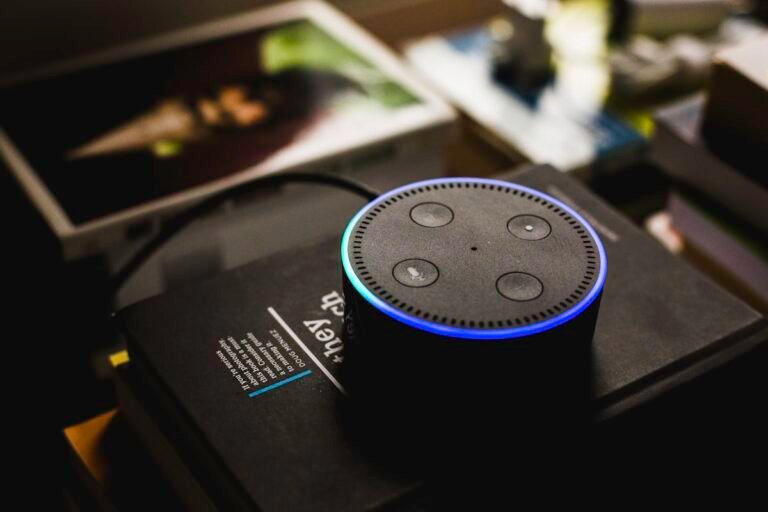
- Smart speaker/display — $30–$100; doubles as your voice control hub for Alexa or Google Home.
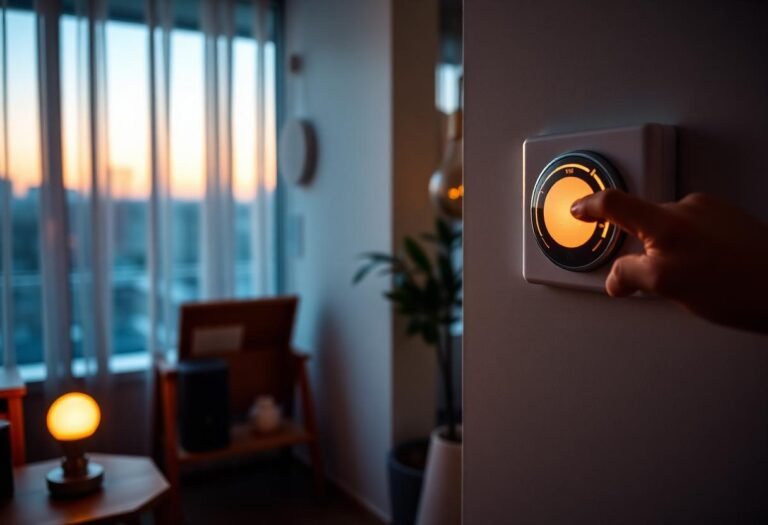
- Smart thermostat — $130–$250 installed, often the fastest payback item through energy savings.
Smart home automation cost per room
Expect to spend roughly $150–$400 per room once you add lighting, a sensor, and a plug or two — more if the room includes a lock, camera, or thermostat.
| Room | Typical devices | Approximate cost |
|---|---|---|
| Living room | Smart bulbs, plug, speaker, TV control | $100–$300 |
| Kitchen | Smart plug, under-cabinet lighting, leak sensor | $80–$220 |
| Bedroom | Smart bulb, plug, smart blinds (optional) | $60–$250 |
| Front entry | Smart lock, video doorbell | $250–$450 |
| Whole-home add-ons | Hub, thermostat, security camera set | $300–$900 |
DIY vs professional installation cost
DIY installation is free — you’re only paying for the hardware. Wi‑Fi and Matter devices from brands like TP-Link, Wyze, or Philips Hue are designed to pair through an app in minutes, with no wiring or drilling in most cases.
Professional installation (ADT, Vivint, and similar) typically adds $99–$599 upfront, plus equipment bundled into the package, because a technician wires in door/window sensors, mounts cameras, and configures a central panel. You’re paying for convenience and a guaranteed working setup, not necessarily better hardware.
Ongoing costs: subscriptions, electricity, and replacements
Most DIY smart home devices have no required monthly fee. Costs that do recur usually fall into three buckets:
- Professional monitoring — $20–$70/month for services like ADT or Vivint that dispatch help during alarms.
- Cloud video storage — $3–$15/month per camera if you want more than a few hours of recorded footage (many cameras skip this with local/SD storage).
- Electricity — negligible; most smart plugs, bulbs, and sensors add only a few dollars a year to your power bill combined.
Devices themselves typically last 5–10 years before a battery, Wi‑Fi standard, or app support issue prompts a replacement.
What actually drives the price up
The biggest cost jumps come from hub requirements, professional monitoring, and whole-home coverage — not the smart features themselves. A single smart plug is cheap no matter the brand; a whole-home security system with 24/7 monitoring is what pushes budgets into the thousands.
- Hub-based ecosystems (Zigbee, Z-Wave) often need a $50–$150 hub before any device works.
- Professional monitoring contracts can add $240–$840 a year on top of equipment.
- Whole-home audio or multi-room video scales cost fastest since every room needs its own hardware.
How to cut smart home costs without losing function
Start Wi‑Fi-only, skip the hub, and add devices one room at a time. This avoids paying for infrastructure before you know which automations you’ll actually use.
- Buy Matter-certified devices so you’re not locked into one ecosystem’s pricier accessories later.
- Choose cameras with local (SD card) storage to avoid monthly cloud fees entirely.
- Wait for sales — Black Friday and Prime Day routinely cut smart plug and bulb prices by 30–50%.
- Skip professional monitoring if you’re comfortable self-monitoring through app alerts.
Frequently asked questions
Is smart home automation expensive?
Not necessarily. A basic DIY setup starts around $50–$150, and most of the ongoing cost is optional — professional monitoring and cloud storage are the main recurring fees, and both can be skipped.
What’s the cheapest way to start a smart home?
A smart plug and a smart speaker are the cheapest entry point, usually under $50 combined, and don’t require a hub or subscription.
Do smart home devices increase my electricity bill?
Only slightly. Smart plugs, bulbs, and sensors draw very little standby power — typically a few dollars per year in total, far less than what a smart thermostat can save you.
Is it cheaper to DIY or hire a professional installer?
DIY is almost always cheaper since you skip labor costs entirely. Professional installation makes sense mainly if you want guaranteed setup, wired sensors, or a monitored security contract.
How much does a whole-home smart system cost?
A fully built-out home with a hub, cameras, locks, thermostat, and monitoring typically runs $1,500–$5,000, depending on house size and how many rooms are covered.
Next: see whether smart home automation is worth it for your situation, or start with our step-by-step guide to building a smart home.