Is a Robot Vacuum Actually Worth It?
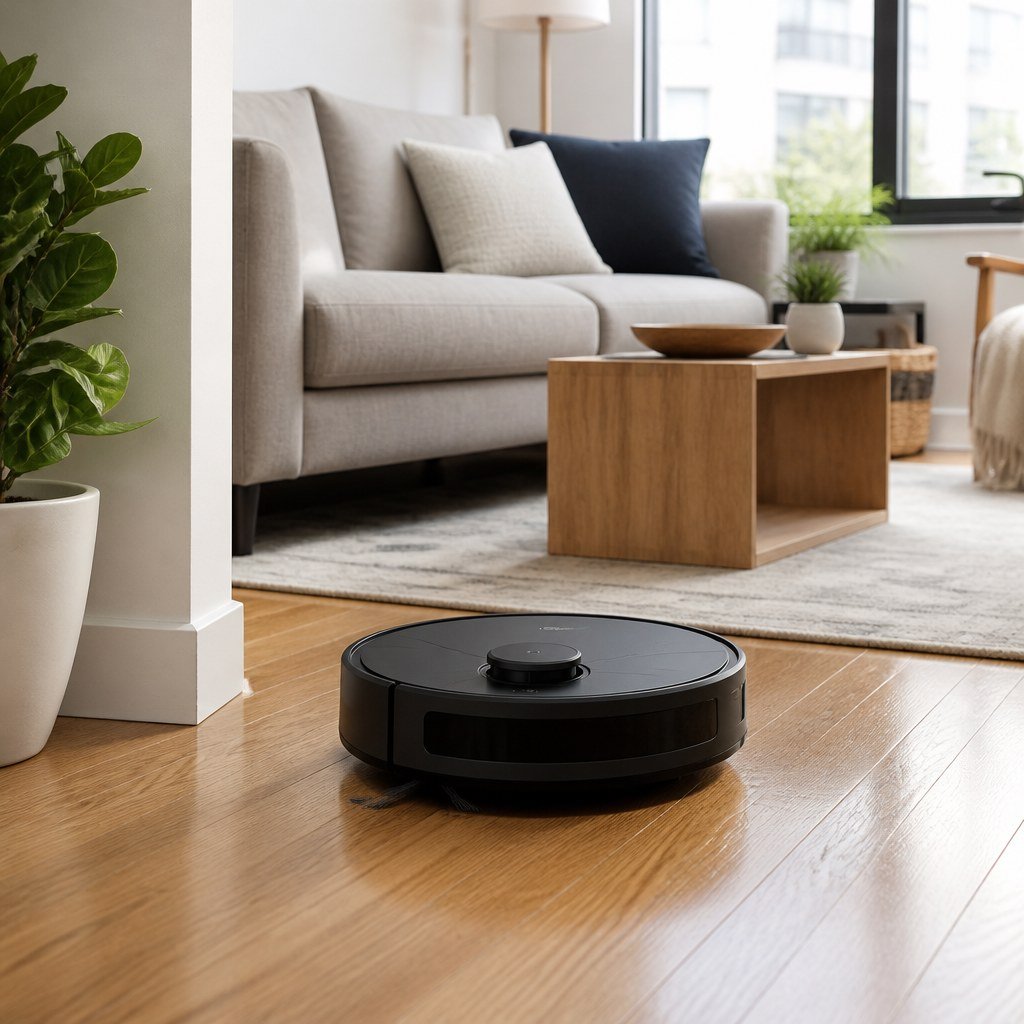
A robot vacuum is worth it if you want cleaner floors between deeper cleans and your layout is mostly open. It will not replace a full-size vacuum for stairs, edges, or embedded debris. The U.S. Environmental Protection Agency identifies vacuuming as part of routine indoor cleaning, but automation mainly buys consistency and time. The practical test is whether it removes a recurring chore without creating an equally demanding routine of pickup, rescue, and maintenance.
By Olami Y.
Last updated October 26, 2026
What does a robot vacuum actually save you?
A robot vacuum saves repeated light-cleaning effort, not every minute you currently spend vacuuming.
Its strongest job is collecting loose dust, crumbs, hair, and tracked-in grit on a schedule. That can reduce how often you pull out a larger vacuum, especially in kitchens, entryways, and pet areas. You still need another tool for stairs, upholstery, tight corners, and occasional deep cleaning.
For example, a kitchen that gathers crumbs after dinner may benefit from a nightly run, while the weekly edge clean stays manual.
The value depends on what you do with the saved effort. Running the robot 5 days a week may be useful if floors become visibly dirty each day. If you already vacuum a small apartment once a week without much trouble, charging a robot and maintaining its parts may add work rather than remove it.
💡 Treat automated cleaning as floor maintenance between regular vacuuming sessions. That expectation prevents the most common disappointment.
Who gets the most value?
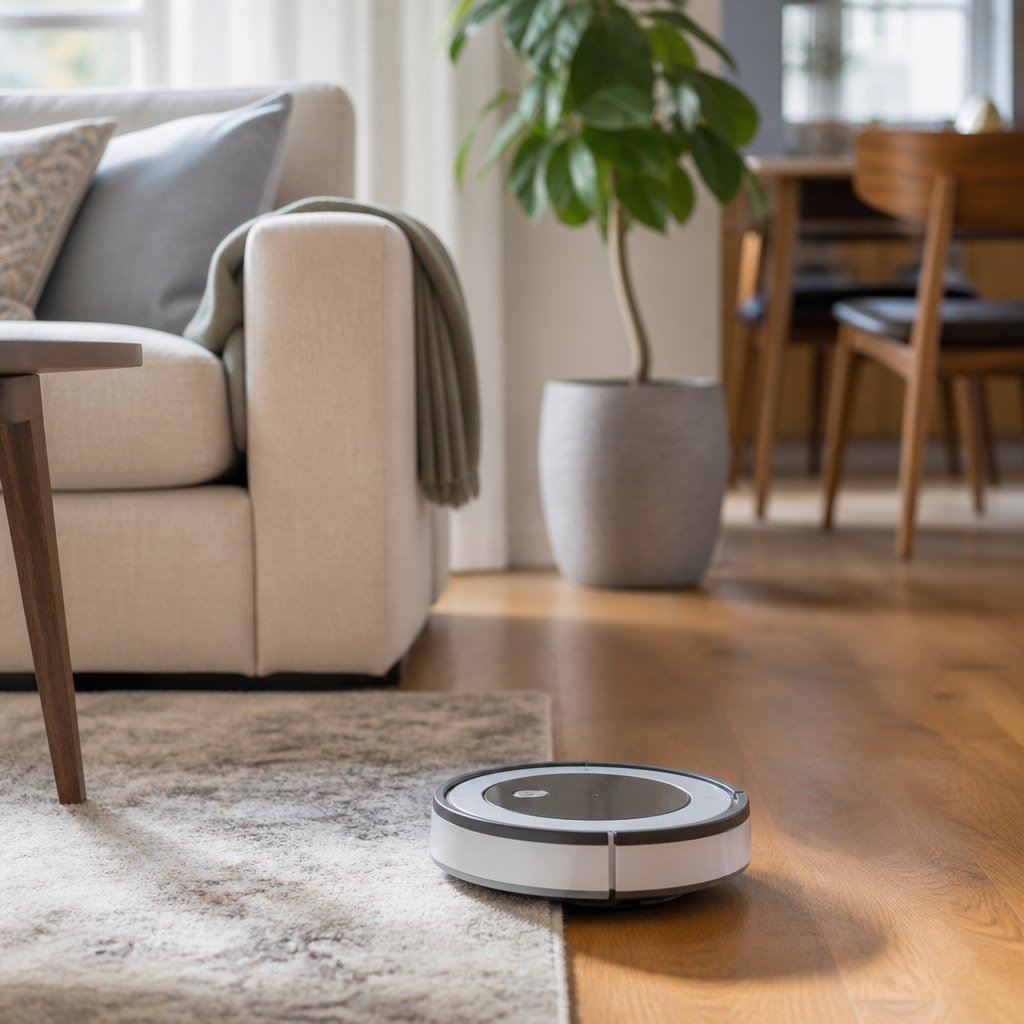
Robot vacuums make the most sense for homes with frequent surface debris and few obstacles. Before buying, observe the floor for 3 ordinary days: note what appears, where it collects, and what currently delays cleaning.
Pet households
Choose one if loose fur returns soon after you clean. Check the brush design, bin access, and replacement-part availability before buying.
Busy households
Choose one if routine vacuuming is repeatedly postponed. A dependable schedule is more useful than advanced app features you will rarely open.
Accessible layouts
Choose one if bending, pushing a vacuum, or carrying equipment is difficult. You will still need a plan for stairs and raised thresholds.
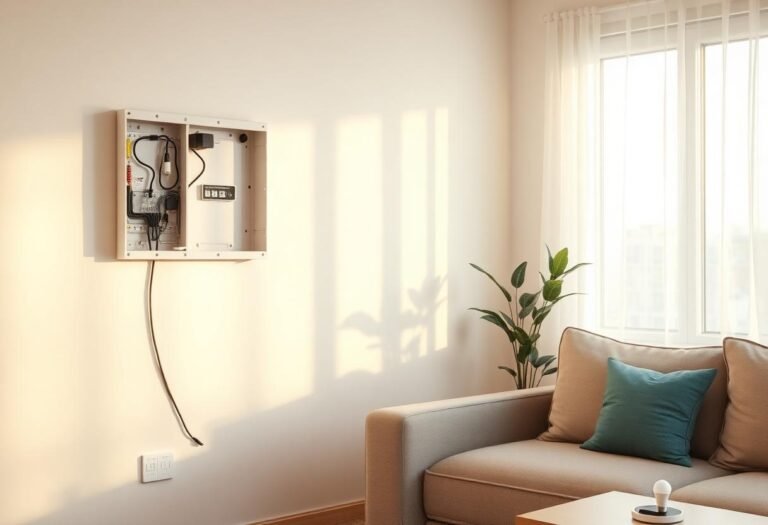
Renters can use a robot without permanent installation, but the dock needs a suitable outlet and clear floor space. Our renter-safe cable management coverage can help keep charging cords contained without drilling.
When is a robot vacuum a poor fit?
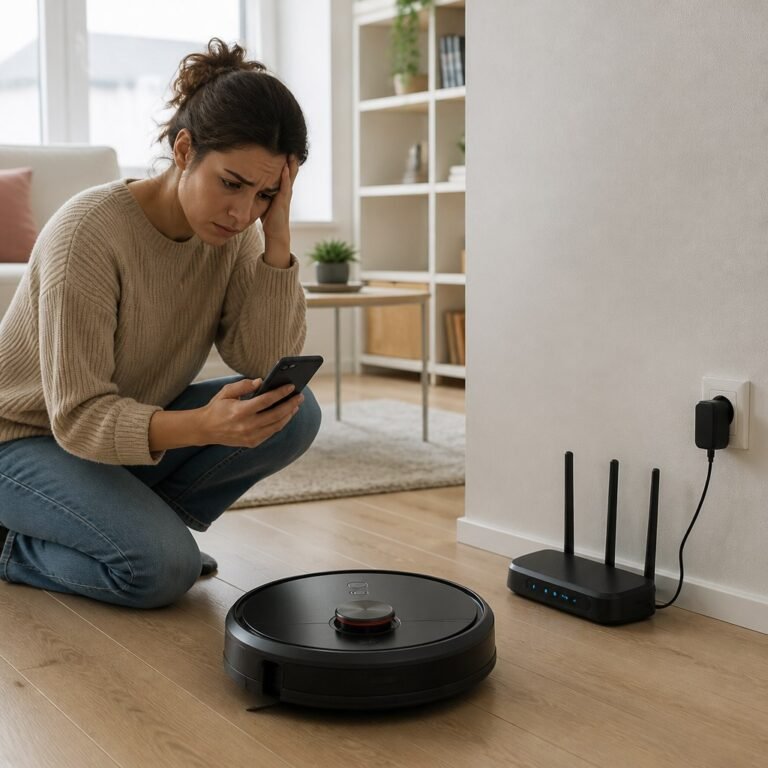
A robot vacuum is a poor fit when the room must be prepared every time it runs.
Loose charging cables, socks, lightweight rugs, pet toys, and long curtains can interrupt a cleaning cycle. iRobot’s official support guidance tells owners to clear cords and small objects from the floor before a run. Other brands provide their own preparation rules, so check the current manual for the model you are considering.
Think twice if your home has several levels, narrow furniture gaps, thick rug transitions, or cluttered play areas. One robot cannot climb stairs. You may need to carry it between floors, move the dock, or buy another unit, which weakens the convenience argument.
As an illustration, carrying a robot upstairs twice a week may still feel easy; carrying it daily and rebuilding its map may not.
Privacy may matter too. Models with cameras, maps, microphones, or cloud-connected apps can collect more household information than a simple bump-and-turn robot. Check the manufacturer’s current privacy policy, account requirements, deletion controls, and offline limitations. Our smart home privacy coverage explains the same questions for connected cameras and sensors. If local control matters, verify what works with Wi-Fi disabled rather than assuming every mapped feature remains available offline.
Which type should you choose?
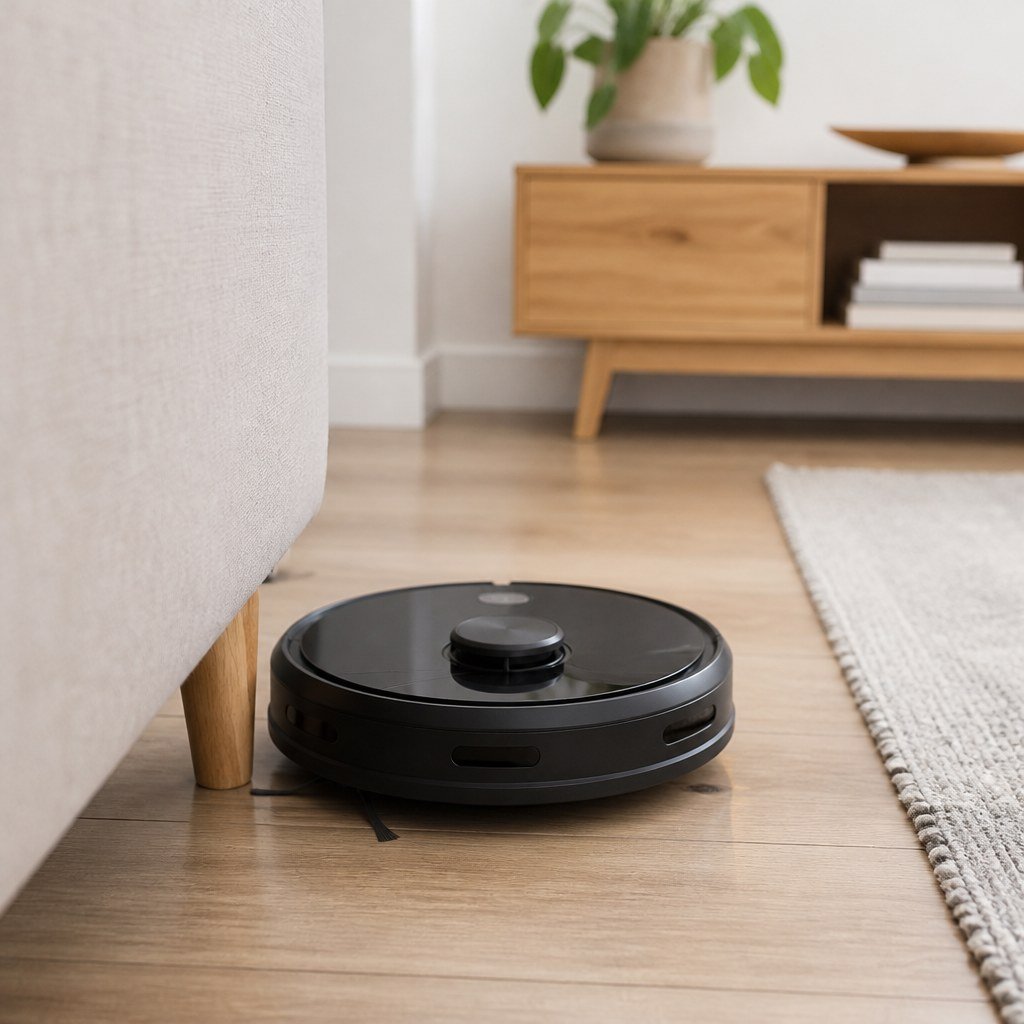
Choose the simplest type that solves your recurring floor problem. Start with debris type and surface, then add convenience features only when they remove a task you genuinely dislike.
Do not compare purchase prices alone. Check current manufacturer listings for replacement filters, brushes, mop pads, dock bags, and batteries. Also confirm whether scheduling, room maps, or remote access require an account or subscription. Our smart home automation setup coverage can help you judge whether app control adds practical value. A cheaper model can cost more attention if its bin fills mid-run or its brushes tangle after every pass.
How can you test the idea before committing?
You can judge the fit by simulating the daily routine before spending money. Set a 5-minute preparation limit; if clearing the route regularly exceeds it, automation may not be the right solution.
- Walk through the intended cleaning area and count how many cords, toys, bowls, and rugs you would need to move.
- Measure low furniture openings, thresholds, and the proposed dock location, then compare those measurements with the manufacturer’s current dimensions and clearance instructions.
- Decide where the robot cannot go and write down how you will clean those areas.
- Check the seller’s current return policy, restocking terms, warranty process, and replacement-part supply before ordering.
- During the return window, run the robot on your real schedule and track rescues, missed areas, maintenance time, and how often you still use your main vacuum.
Record the result immediately, not from memory.
If preparation takes longer than a quick floor pickup, try the cheapest fix first. Route exposed cords, move one troublesome rug, or create a clear dock zone. Our reversible DIY floor-protection ideas may also help with furniture feet and temporary layout changes.
Keep the robot only if it reduces work across a normal week. A model that needs constant rescue has failed the job, regardless of how advanced its navigation sounds.
Make your decision from your floor plan
List your surfaces, stairs, pets, clutter, and maintenance tolerance first, then use the Domoviq tools hub to plan your next practical home upgrade.