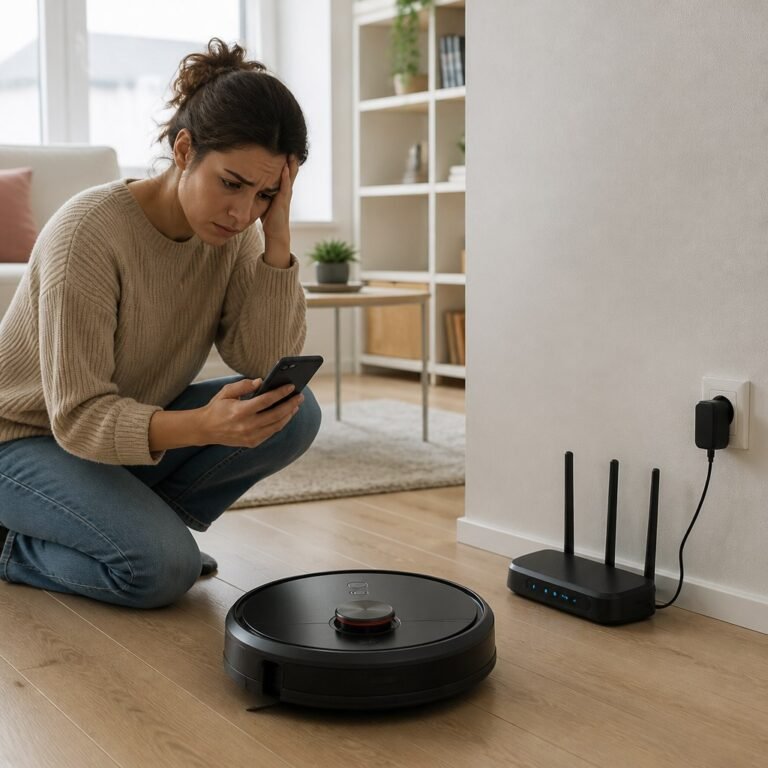
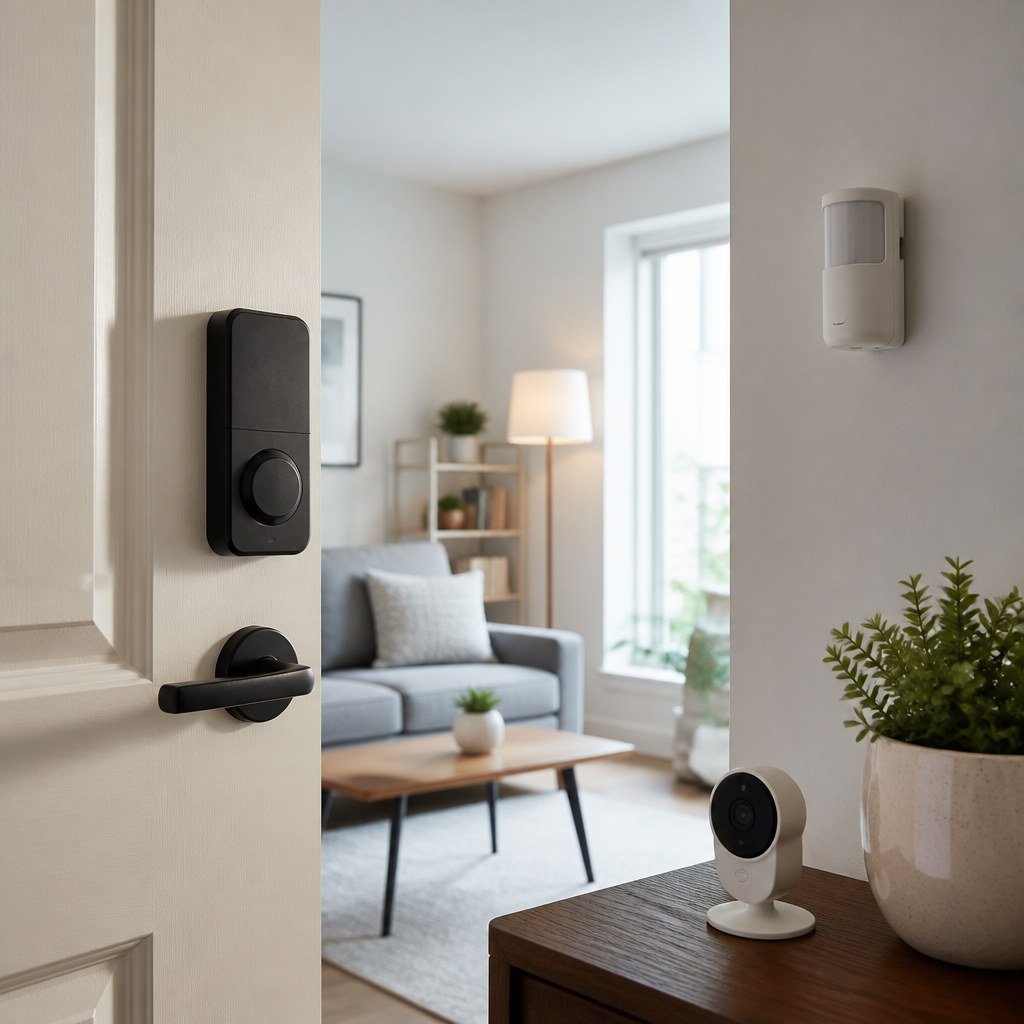
Does a Smart Home Lower Your Renters or Home Insurance?
Sometimes, but the discount depends on your insurer, state, policy, and device. The National Association of Insurance Commissioners says protective devices such as smoke alarms and security systems may qualify for discounts. Ask before buying: an insurer may require professional monitoring, approved equipment, proof of installation, or no discount may apply.
By Olami Y.
Last updated October 30, 2026
Which smart home devices can earn an insurance discount?
Insurers are most interested in devices that reduce the chance or cost of a claim. Security, fire detection, water-leak detection, and automatic water shutoff systems are stronger candidates than convenience devices such as smart bulbs or speakers.
A connected device alone may not qualify. Some insurers require an approved model, professional installation, central monitoring, or a certificate showing that the system is active. A self-monitored camera that sends alerts to your phone may help you spot trouble, but your carrier may not treat it as a qualifying alarm system.
- Monitored burglar alarms may qualify under a protective-device discount.
- Connected smoke or heat alarms may qualify if they meet the insurer’s requirements.
- Water sensors can reduce damage by warning you early, though discounts are less consistent.
- Automatic water shutoff valves may receive special consideration because they can stop a leak without waiting for you.
- Smart thermostats, lights, plugs, and voice assistants rarely affect premiums by themselves.
Our guide to smart leak sensors and our smart security sensor coverage can help you compare device functions, but your policy documents decide whether any device earns a credit.
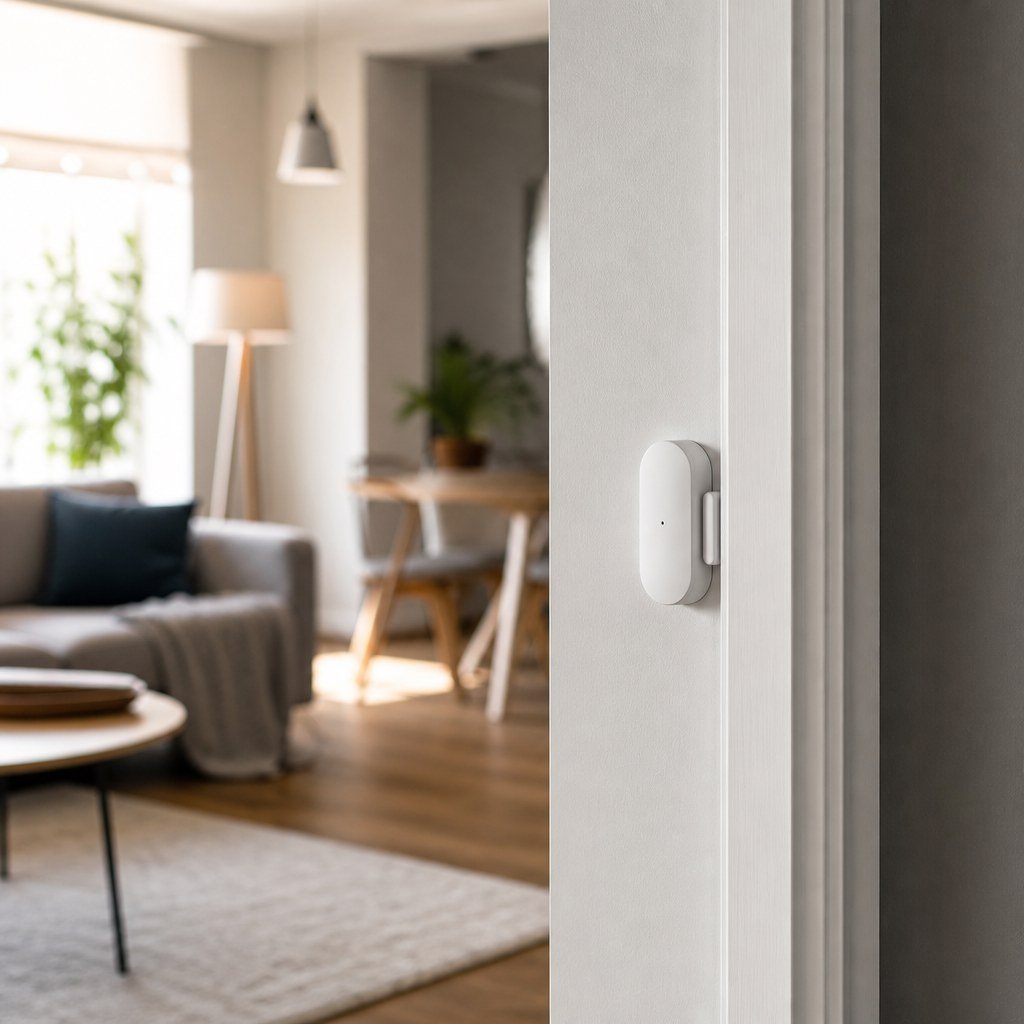
How do smart-home discounts differ by device?
The strongest insurance case comes from equipment that detects a covered hazard and triggers a useful response. This table shows what to ask about rather than promising that every carrier will offer the same treatment.
Does a smart home lower renters insurance?
It can, but renters have fewer discount opportunities because their policy generally covers personal belongings, liability, and additional living expenses rather than the building itself. Your landlord’s policy covers the structure, subject to its own terms.
A monitored security system may help with the theft portion of your risk. Connected smoke alarms and leak sensors may still be useful, but the financial benefit might come from preventing damage rather than reducing your premium. Ask whether the credit applies to renters policies specifically; a discount advertised for homeowners may not transfer.
💡 Renter tip: Choose removable sensors if your lease limits drilling or wiring. Our reversible DIY security upgrades cover deposit-conscious placement ideas. Get written permission before installing a shutoff valve, hardwired alarm, or device that changes the property.
A renters discount may also be too small to justify a monitoring subscription. Compare the annual premium reduction with the full yearly service cost, not just an introductory monthly rate.
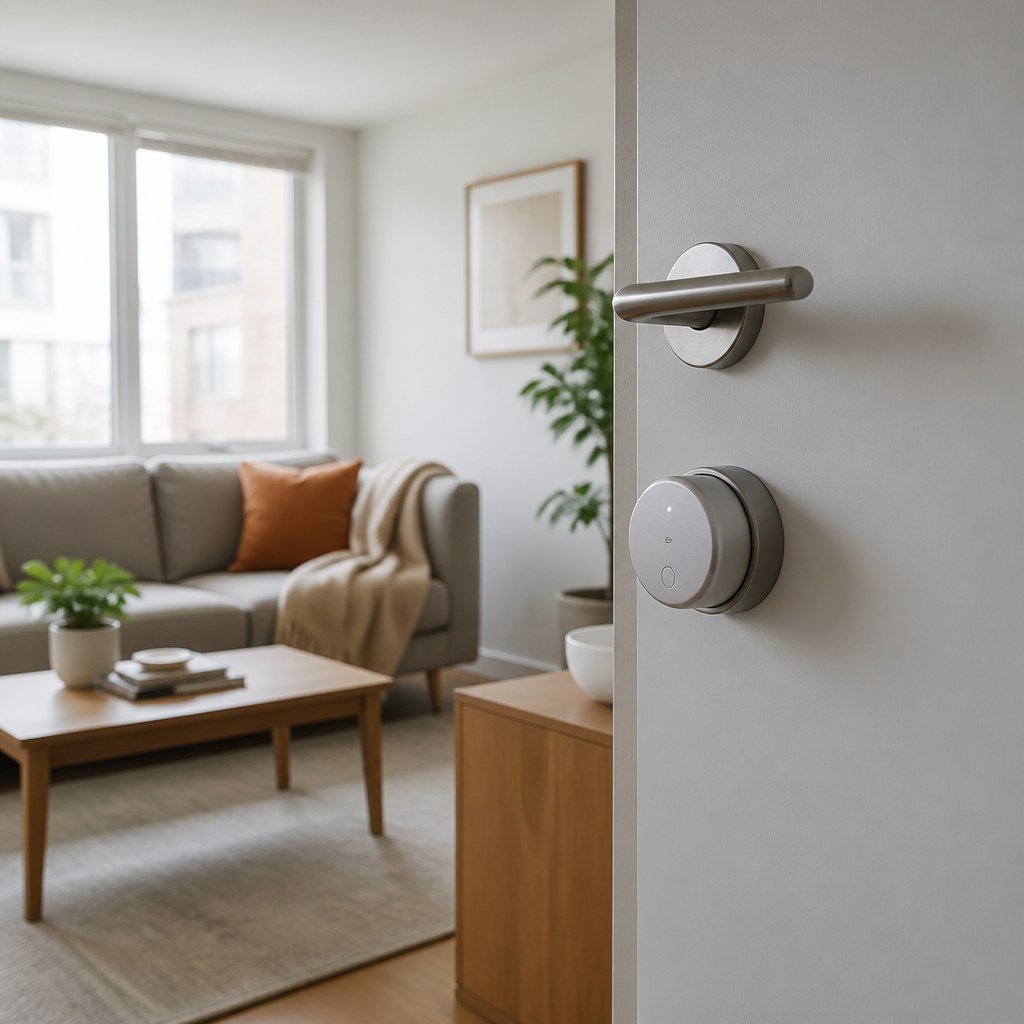
How do you ask for the discount?
Contact your insurer before purchasing equipment and ask for requirements in writing. A device that qualifies with one carrier may not qualify with another, even in the same state.
- Ask which protective-device discounts are available for your exact policy type and address.
- Give the representative the device category, model, monitoring arrangement, and proposed installation method.
- Request the estimated annual premium change and the date it would take effect.
- Ask what proof is required, such as a receipt, monitoring certificate, photo, or installer’s document.
- Confirm whether the discount ends if you cancel monitoring, move, change equipment, or let a subscription lapse.
- Check the revised declarations page after approval. That page lists your coverage, premium, and applied discounts.
Keep screenshots or documents showing that the equipment remains active. If several devices must communicate through one platform, check our smart home hub compatibility guidance before committing to a system.
Can smart devices affect a claim?
A device does not replace the duties in your policy. You still need to maintain the home, take reasonable action after discovering damage, and report a covered loss under the insurer’s procedure.
Alerts and event histories can help establish timing, but cloud records are not guaranteed to remain available. Save useful records promptly. Do not delay emergency services while checking an app, and never enter a home where you suspect fire, gas, or another immediate danger.
⚡ Safety: A licensed professional should handle hardwired alarm work and plumbing changes for an automatic shutoff valve where local rules or the manufacturer’s instructions require it. Renters also need the property owner’s approval.
Avoid describing a device as monitored if only phone notifications are enabled. Accurate information matters when applying for a discount and after a loss.
Is buying smart-home equipment for the discount worth it?
Buy for risk reduction first and treat an insurance discount as a possible bonus. Choose a monitored alarm if your insurer requires monitoring and the annual cost fits your budget. Choose self-monitored sensors if early warnings are your priority and no premium credit is available.
Before spending anything, calculate the purchase price, installation charge, subscription cost, expected years of use, and confirmed annual discount. A free insurer-provided device may also come with data-sharing terms, eligibility rules, or return conditions, so read the current program agreement.
Your next action is simple: call the number on your policy, ask for the approved-device list, and request the quote in writing before choosing hardware.
Once you know what your insurer accepts, use the Domoviq tools hub to plan your next device and compatibility checks.