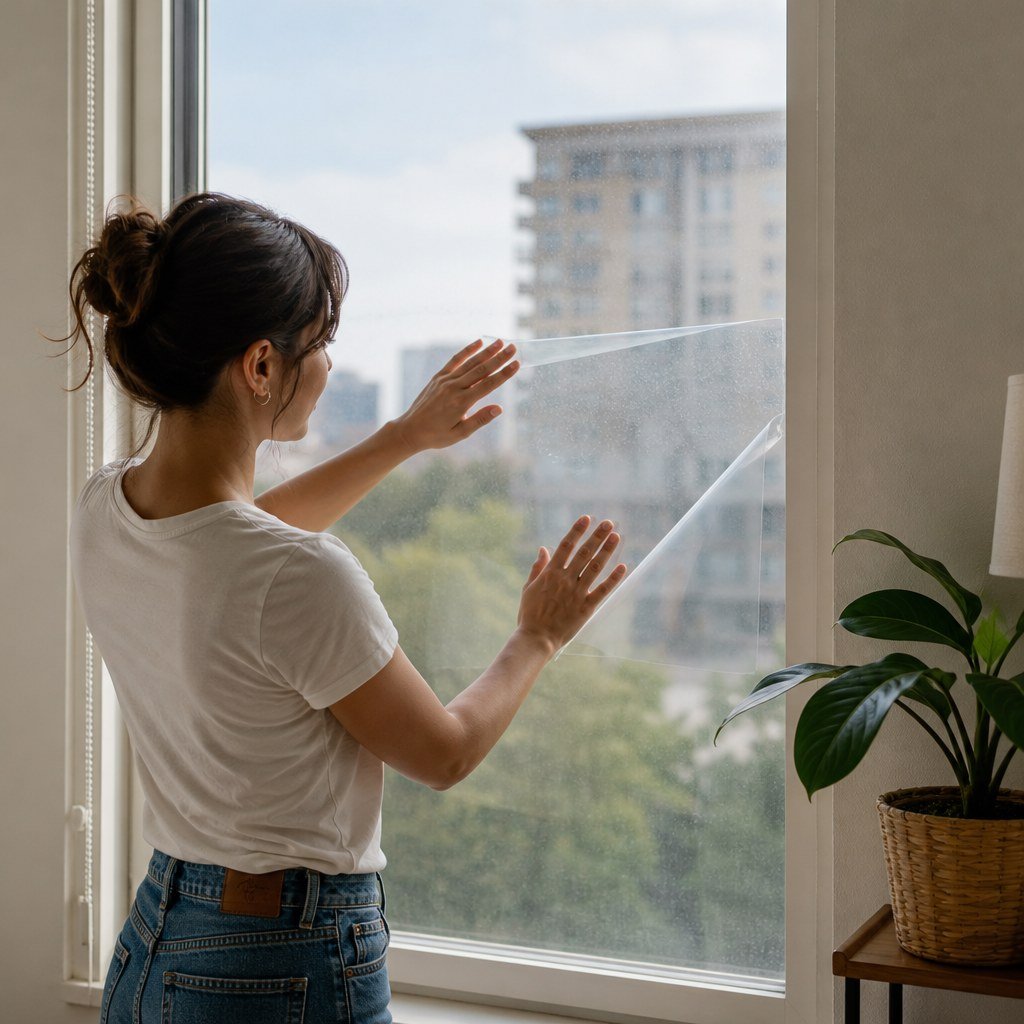
Renter-Safe Window Security Film (Does It Actually Work?)
Yes. Window security film can hold broken glass together and slow forced entry, but film alone does not make a window burglar-proof. A 4-mil film is only 0.004 inch thick; meaningful resistance depends on film thickness, glass condition, installation quality, and whether the filmed pane is anchored to its frame.
By Olami Y.
Last updated November 02, 2026
What does window security film actually do?
Security film keeps cracked glass in a flexible sheet, which can delay access and reduce loose shards.
The film bonds to the room-facing surface of the glass. If someone strikes the window, the glass may still break, but the film holds many fragments together. An intruder then has to keep striking, push the damaged pane aside, or separate it from the frame. That extra noise and effort are the real security benefits.
Film does not stop the first impact, replace laminated security glass, or prevent someone from entering indefinitely. The International Window Film Association distinguishes safety and security films from decorative products based on their intended construction and tested performance. Check the manufacturer’s current technical documents rather than relying on an online listing that merely says “protective.”
Film only
The broken pane stays together, but the entire filmed sheet may pull away from the frame under repeated force.
Anchored film
A compatible structural sealant or mechanical system connects the film to the frame. This provides stronger retention but is rarely a reversible renter project.
Is security film really renter-safe?
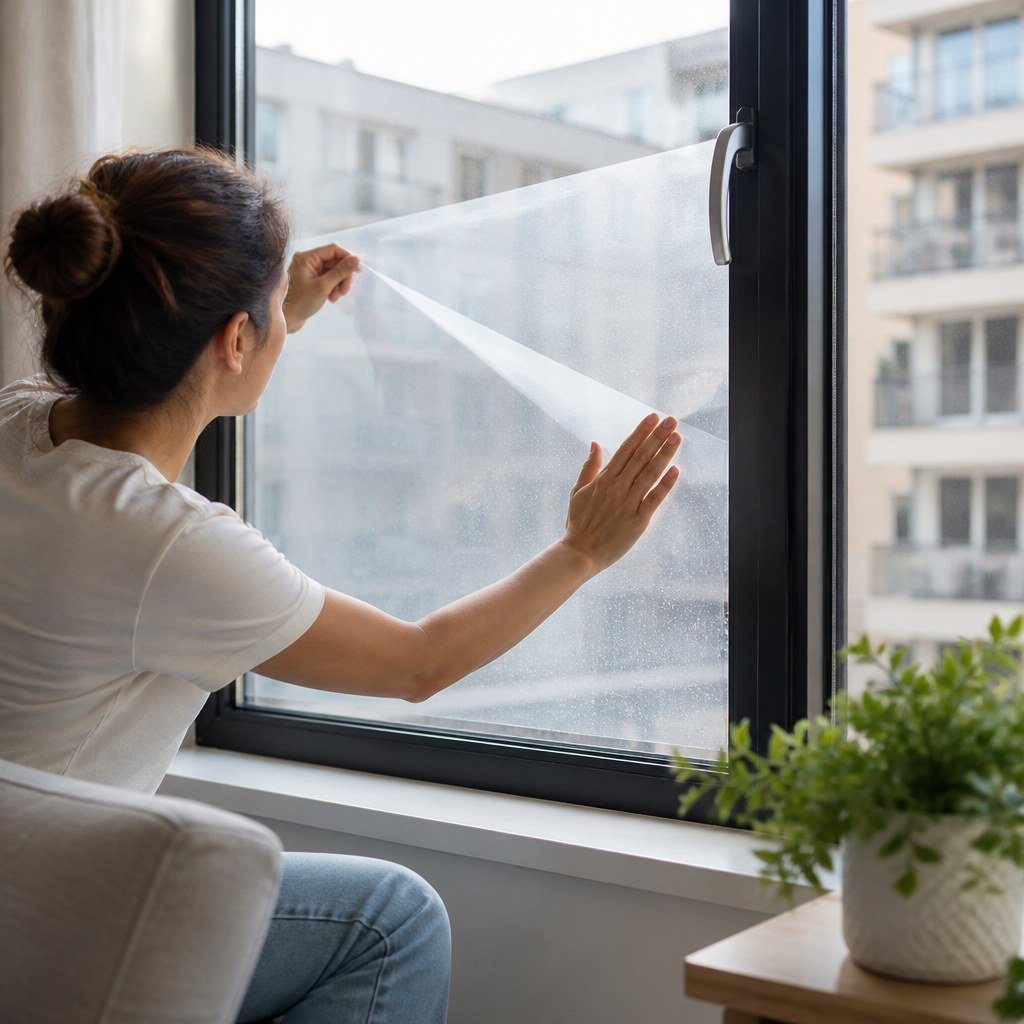
It can be removable, but you should not assume it is lease-safe or residue-free.
True security film normally uses pressure-sensitive adhesive. Removal may require heat, scraping, and adhesive cleaner. Old film can be stubborn, while careless blade use can scratch glass or damage seals near the edge. Static-cling film is easier to remove, but most cling products are intended for privacy or decoration rather than forced-entry resistance.
Choose static cling if privacy and easy removal matter more than security. Choose adhesive security film if your landlord approves it and the manufacturer confirms compatibility. Choose an anchored system only when the property owner authorizes a professional installation.
How do you choose compatible film?
Start with the window manufacturer, film documentation, and your lease—not the film’s thickness alone.
Insulated glass units, low-emissivity coatings, tinted panes, tempered glass, and older damaged windows can react differently to absorbed heat. An unsuitable film may increase thermal stress. Ask the film manufacturer to confirm your exact glass type and orientation in writing, and check whether applying film affects the window warranty.
- Read your lease for rules covering adhesive coverings, windows, exterior appearance, and alterations.
- Ask your landlord for written approval that identifies the windows and film type.
- Find the glass manufacturer’s label or building records, then identify whether the pane is single, insulated, tempered, laminated, tinted, or low-E.
- Request the film’s current technical data, compatible-glass guidance, warranty terms, and published test standard.
- Confirm how the product must attach at the edges. A film marketed with an anchoring system may not deliver the same result without that system.
💡 Tip: A clear sample on an inconspicuous pane can reveal haze, edge appearance, and adhesive behavior, but landlord permission should still come first.
Our reversible DIY picks for renters can help you compare lower-risk window treatments. For layered protection, the window and door sensor guides from Smart Home Lab cover alarms that notify you after a pane or opening is disturbed.
Can you install it yourself?
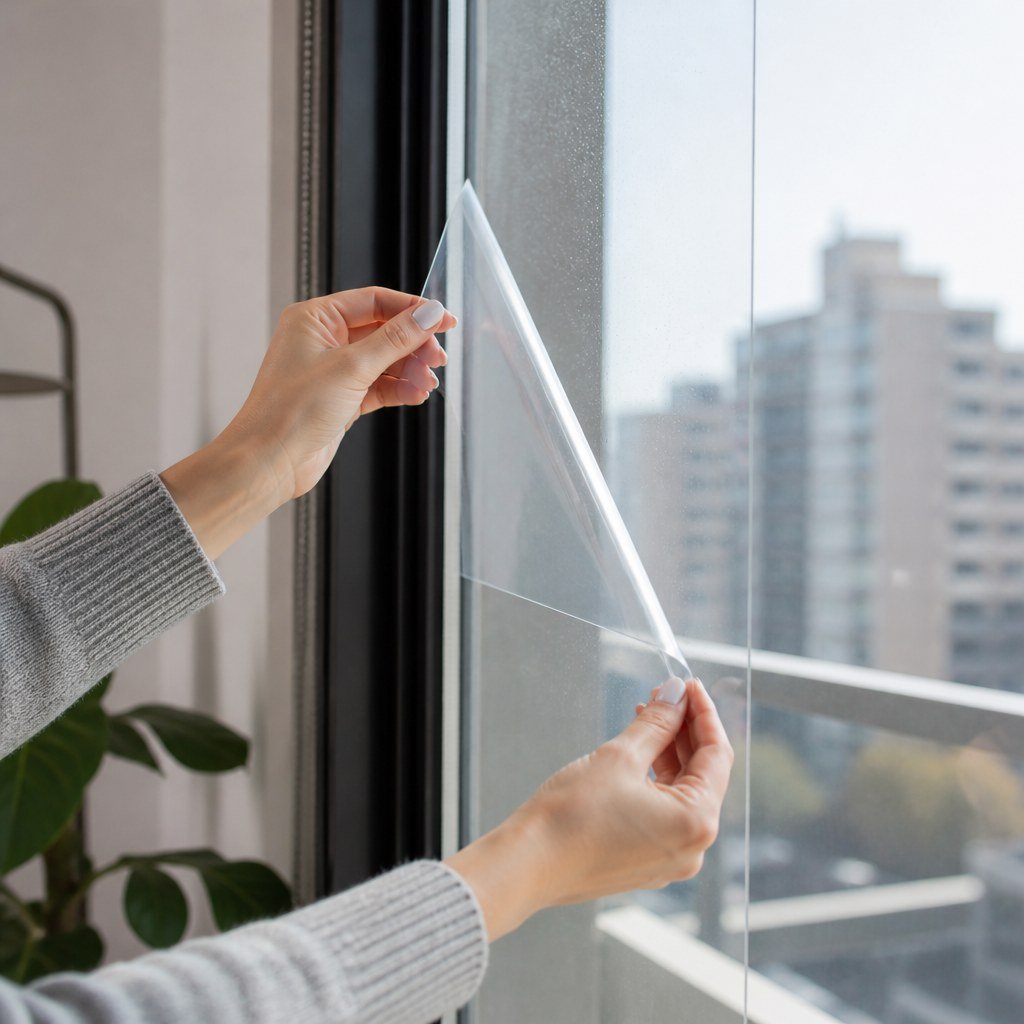
Basic film-only installation is possible for a careful beginner, but anchoring and large panes are better left to a qualified installer.
- Inspect the pane for cracks, loose putty, damaged seals, or unstable framing before you begin.
- Clean the glass and surrounding area according to the film maker’s instructions. Dust trapped under adhesive cannot be removed later without lifting the film.
- Measure the visible glass and cut the film using the manufacturer’s required edge clearance.
- Apply the specified slip solution, position the film, and squeegee from the center toward the edges.
- Trim only as directed and allow the stated curing period before cleaning or testing the window.
⚡ Safety: Do not apply impact force to test installed film. A qualified installer should handle cracked glass, overhead glazing, large panes, or structural attachment to the frame.
Common DIY failures include dirty edges, incorrect solution, premature trimming, and gaps that exceed the instructions. Small water pockets may clear during curing; contamination, hard creases, and lifted edges usually require replacement. Follow the product’s stated care period before deciding that the installation failed.
Is window film enough for apartment security?
No. Treat it as one delay layer within a renter-safe security plan.
Keep accessible windows locked, repair loose latches through your landlord, close blinds when privacy matters, and avoid placing valuables in direct view. A contact sensor can detect an opened window, while an acoustic glass-break sensor listens for a compatible break pattern. Check current device specifications because detection methods and coverage vary.
Film also must not conflict with a required emergency escape opening or local fire rules. Ask your property manager or local code office if the window serves as emergency egress. Our renter-friendly window security ideas and security hardware testing notes offer useful next layers without implying that one product can stop every entry attempt.
Your next step: photograph the window label, request written landlord approval, then use the Domoviq Gear Finder for security and sensors to plan a second detection layer.