
What Smart Home Devices Are Worth Buying First in 2026?
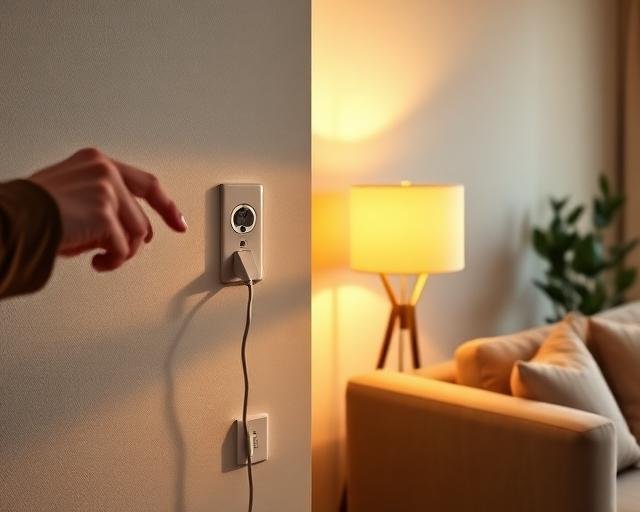
The smart plug is the device worth buying first — it’s the cheapest way to find out whether you’ll actually use automation before you spend real money on it. A single $15 plug turns a lamp or a fan into something you can schedule or voice-control in under five minutes, with no hub, no wiring, and no ecosystem commitment required.
Here’s the buying order that gets you the most usable automation per dollar, plus where a bulb, a speaker, or a lock actually earns its spot.
What’s the single best smart home device to start with?
A smart plug beats every other starting device on cost, setup time, and reversibility. It works with any appliance you already own — a lamp, a space heater, a fan, a coffee maker — so you’re testing the habit of automation, not committing to a new light fixture or lock. If the routine sticks, you’ve lost $15. If it doesn’t, you’ve lost $15.
Most people who start with a bulb or a full ecosystem instead end up buying a plug within the first month anyway, once they realize how many things around the house are just an on/off switch away from being useful.
Should your second purchase be a speaker or a bulb?
A voice assistant speaker is the better second buy, ahead of a smart bulb. An Amazon Echo Dot or Google Nest Mini, both routinely under $30, gives you one control point for every device you add afterward — including the plug you already own. A smart bulb is a fine third purchase, but on its own it only replaces a light switch; paired with a speaker, it becomes something you actually talk to.
Skip the bulb if your existing fixtures use switches that cut power at the wall — a smart bulb loses connectivity the moment someone flips that switch off, which is the single most common smart-bulb complaint.
Smart plug vs smart bulb vs smart speaker: how they compare
| Device | Typical price | Setup time | Best first use |
|---|---|---|---|
| Smart plug | $10–$20 | 2–5 minutes | Lamps, fans, coffee makers, holiday lights |
| Voice assistant speaker | $25–$50 | 10 minutes | Central control hub for everything else |
| Smart bulb | $10–$25 per bulb | 5–10 minutes | Rooms with switch-controlled outlets, not wall switches |
| Video doorbell | $60–$180 | 20–45 minutes | Front-door package and visitor alerts |
| Smart lock | $100–$250 | 20–30 minutes | Keyless entry once you already trust the ecosystem |
Are cameras or locks worth buying before the basics?
No — locks and cameras are better third or fourth purchases, not first ones. They cost four to ten times what a starter plug does, and a bad first experience with a $200 lock is a far more expensive mistake than a bad first experience with a $15 plug. Get comfortable with the app, the Wi-Fi behavior, and the ecosystem you’ve picked before you add a device that controls physical access to your home.
The exception is a household that specifically wants package theft alerts or keyless entry as the primary goal — in that case, a video doorbell can reasonably move up to the first purchase, since it’s solving the actual problem you’re buying for.
What’s the realistic buying order for a first-time smart home?
- One or two smart plugs, for whatever you already turn on and off by hand most often.
- A voice assistant speaker, matched to whichever ecosystem your phone already favors — Google Home for Android, Apple Home for iPhone, or Alexa for either.
- One or two smart bulbs, only in fixtures with switch-controlled outlets rather than wall switches.
- A video doorbell, once you know the app and Wi-Fi setup well enough to troubleshoot it yourself.
- A smart lock, last, after you trust the ecosystem’s reliability enough to hand it your front door.
How much should a first smart home purchase actually cost?
A reasonable first purchase runs $40–$70 total: two smart plugs and a speaker. That’s enough to build one real automation — lamps on a sunset schedule, controlled by voice — without buying anything you might return. Compare that to jumping straight to a $200 lock or a multi-camera security kit, where a bad first impression costs a lot more than a returned plug.
If budget is the main constraint rather than sequence, DomoViq’s guide on building a smart home on a budget breaks down a full starter setup for $50–$90.
Frequently asked questions
Do I need a hub to buy my first smart home device?
No. Smart plugs, bulbs, and voice assistant speakers all connect directly to your home Wi-Fi and don’t require a separate hub. A hub becomes useful later if you add Zigbee or Z-Wave sensors, which most starter devices aren’t.
Should I buy Alexa, Google Home, or Apple Home devices first?
Match your phone: Apple Home if you use an iPhone, Google Home if you use Android, and Alexa if you want the widest device compatibility regardless of phone. Switching ecosystems later is annoying but not impossible, since most current devices support Matter across all three.
Is a smart thermostat a good first purchase?
It’s a strong purchase, just not usually a first one — a smart thermostat runs $100–$250 installed and typically requires wiring knowledge or a professional. Most people are better off confirming they like smart home control with a $15 plug before committing to that price and installation effort.
What smart home device gives the most value for the money?
The smart plug consistently gives the best value, because it works with appliances you already own and needs no new fixtures or wiring. A voice assistant speaker is a close second, since it becomes the control point for every device added later.
Last updated: September 2026.
Next: see what you need to start a smart home for the full setup checklist, or how to build a smart home on a budget for a complete starter shopping list.


