Smart Home Automation Cost Per Room: A 2026 Breakdown
A smart home upgrade typically runs $30–$150 per room for a basic setup, $150–$400 for a mid-range room, and $400–$800+ for a fully automated one. The entryway and living room usually cost the most because locks, doorbell cameras, and multi-device lighting add up fast; bedrooms and bathrooms stay cheap since a bulb or two and a plug cover most of what people actually want there.
Here’s the room-by-room math, what drives the price up or down in each space, and where to start if you’re working with a fixed budget.
How much does it cost to make a living room smart?
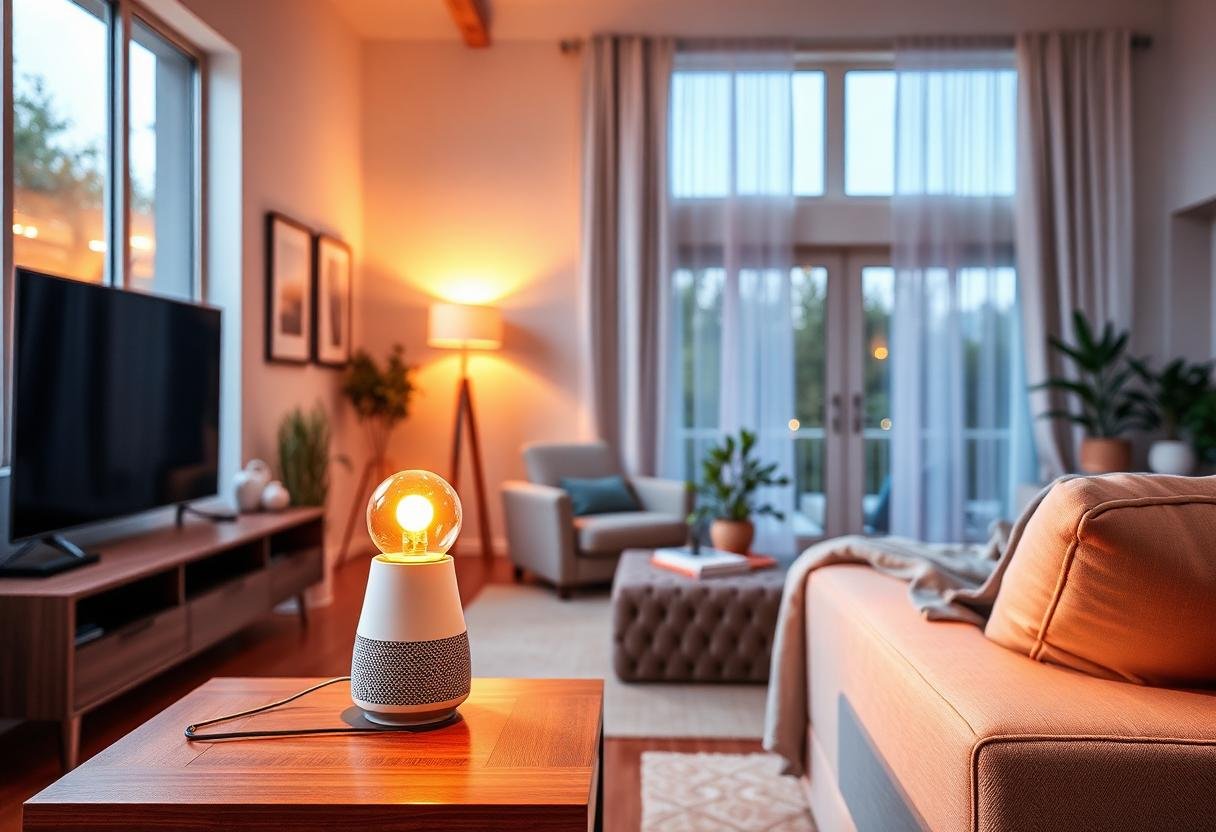
A smart living room runs $60–$120 for a basic setup and $300–$600 for a fully automated one. This room usually gets the most attention because it’s where lighting scenes, a smart speaker, and TV or streaming control all live together.
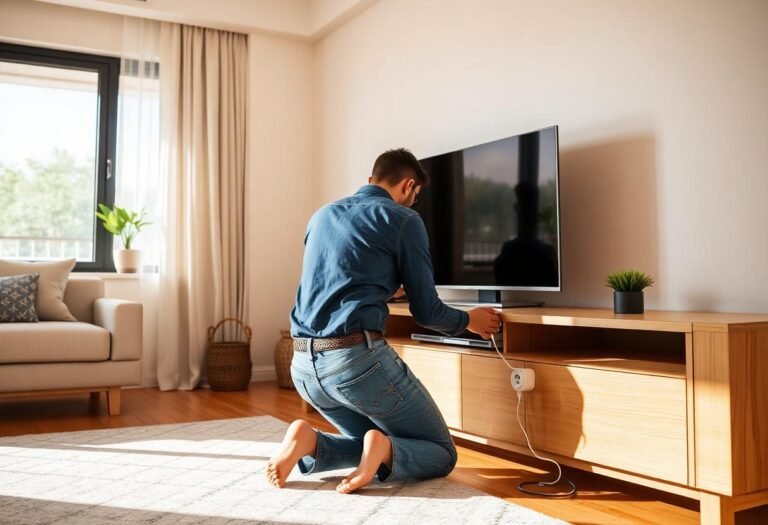
A starter living room needs two or three smart bulbs (around $15–$25 each), one smart plug for a lamp or the TV setup ($10–$20), and a smart speaker for voice control if you don’t already have one ($30–$100). That’s the $60–$120 range. Add motorized blinds, a smart power strip for the entertainment center, and a multi-room audio setup, and the room climbs toward $400–$600. If you want ceiling-mounted smart lighting instead of bulbs, budget an electrician’s labor cost on top of the fixture price.
What does a smart kitchen cost?
Kitchen automation is usually the cheapest room to start, $20–$80, unless you add a smart appliance. Most of the value here is a leak sensor under the sink and a smart plug for a coffee maker or slow cooker — not a new refrigerator.
A water leak sensor ($20–$40) placed under the sink or near the dishwasher catches slow leaks before they become a repair bill, and it’s one of the highest-value cheap devices in the whole house. A smart plug for small appliances adds $10–$20. Smart appliances — a Wi-Fi-connected oven, fridge, or dishwasher — start around $1,000–$3,000 and are a kitchen renovation decision, not a smart-home add-on, so most budgets skip them.
How much for a smart bedroom?
A smart bedroom typically costs $40–$100. The common setup is one or two smart bulbs on a sunrise/sunset schedule, a smart plug for a fan or white-noise machine, and sometimes a smart shade for blackout control.
- Two smart bulbs for a bedside lamp and overhead fixture — $30–$50.
- One smart plug for a fan, humidifier, or white-noise machine — $10–$20.
- A motorized blind or shade — $50–$150 per window, the biggest optional jump in this room.
What’s the cost to automate a bathroom?
Bathrooms stay the cheapest room to automate, usually $15–$50, because moisture rules out most smart lighting and plug options. Electrical code and simple safety sense keep smart plugs and most smart bulbs out of a space with running water and steam.
The realistic bathroom setup is a smart exhaust fan switch with a humidity sensor ($30–$50) that clears steam automatically, plus an optional leak sensor near the toilet supply line or water heater ($20–$40 if you haven’t already covered it in the kitchen budget). Skip smart plugs near sinks or tubs — GFCI-protected fixed wiring is the only thing that belongs that close to water.
How much does a smart entryway or front door cost?
The entryway is usually the most expensive room to automate, $250–$550, because a smart lock and a video doorbell both live here. This is also the room where the security upgrade matters most, so most people spend here first even on a tight budget.
A smart lock runs $150–$250 installed on an existing deadbolt, and a video doorbell adds $100–$200, sometimes with a small monthly fee for cloud video storage. A motion-activated porch light ($20–$40) and a smart plug for exterior seasonal lighting round out a full entryway setup, pushing the top end toward $500–$600.
How do smart home costs compare across rooms?
The entryway costs the most and the bathroom costs the least, with roughly a 10x spread between them. Here’s every room side by side at each budget tier.
| Room | Basic setup | Mid-range | Fully automated |
|---|---|---|---|
| Living room | $60–$120 | $150–$300 | $400–$600 |
| Kitchen | $20–$40 | $40–$80 | $100–$200 (no major appliance) |
| Bedroom | $40–$60 | $60–$100 | $150–$250 |
| Bathroom | $15–$30 | $30–$50 | $50–$80 |
| Entryway / front door | $150–$250 | $250–$400 | $450–$600 |
Is it cheaper to automate room by room or buy a whole-home kit?
Room by room is cheaper up front and lower risk; a whole-home starter kit is cheaper per device if you already know you want the full setup. A bundled kit from a single ecosystem often prices out to $15–$20 less per device than buying pieces separately, but it commits you to that brand’s hub and app before you’ve tested whether the habit sticks.
The cheapest way to start a smart home is still one device in one room — usually a smart plug in the living room or kitchen — because it proves out the habit before you spend on a full ecosystem. Once two or three rooms are running smoothly, a hub-based kit starts paying off through bulk pricing and easier automations across rooms.
Frequently asked questions
Which room is cheapest to make smart?
The bathroom is cheapest to automate, usually $15–$50, since moisture rules out most smart plugs and bulbs there. The bedroom is a close second at $40–$100 for a couple of bulbs and a plug.
Which room costs the most to automate?
The entryway costs the most, typically $250–$550, because a smart lock and a video doorbell both belong there and neither is optional if security is the goal.
Do I need a hub to automate rooms one at a time?
No. Most starter devices — smart plugs, bulbs, and video doorbells — connect straight to Wi-Fi and their own app. A hub becomes worth adding once you’re running Zigbee or Z-Wave devices like certain locks and sensors across several rooms.
Should I automate one room first or buy a whole-home kit?
Start with one room, usually the living room or kitchen, using a $10–$20 smart plug or a couple of bulbs. It confirms the habit and the ecosystem fit before you commit to a bundled kit that locks you into one brand’s hub.
Does a smart appliance count as part of the room’s automation budget?
Treat it separately. A Wi-Fi oven, fridge, or dishwasher costs $1,000–$3,000+ and is really an appliance-replacement decision, not part of a typical $20–$600 room automation budget.
Last updated: September 2026
Next: see the full smart home automation cost breakdown for 2026 for whole-house totals, and check the cheapest way to start a smart home if you’re beginning with a single device.