What Is Tuya Smart Home and Is It Reliable?
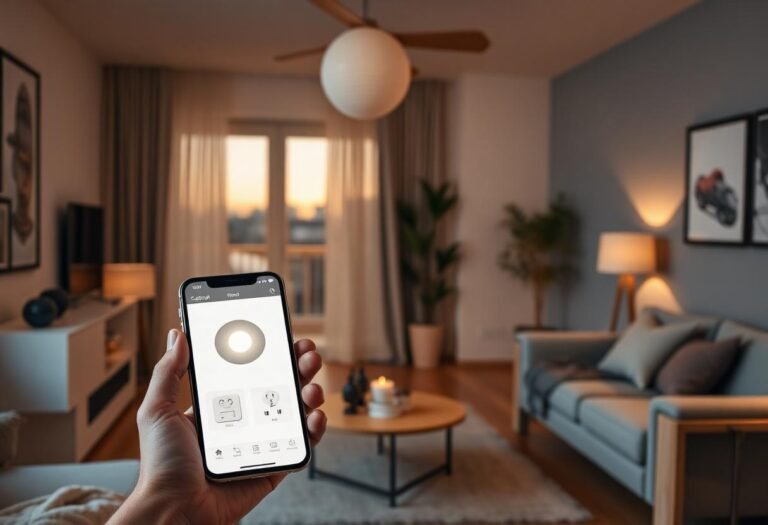
Tuya powers thousands of budget smart devices sold under different brand names. Here’s what it is, how it works, and whether it’s reliable in 2026.

Smart home hubs, routines, and automation gear — bought and tested.
Tuya powers thousands of budget smart devices sold under different brand names. Here’s what it is, how it works, and whether it’s reliable in 2026.

The best smart home system for a large house pairs mesh Wi-Fi with a Zigbee or Z-Wave hub like SmartThings or Home Assistant for full coverage.

Build a genuinely useful smart home starter kit for under $200 in 2026 — the exact devices, real prices, and setup steps for Alexa, Google, and Apple Home.

The best smart speakers for whole-home control in 2026 pair Wi-Fi multi-room audio with Alexa, Google Home, or Apple Home — here’s how to pick.

SmartThings is the easier app-based ecosystem to start with, while Home Assistant gives you full local control and wider device support if you’re willing to set it up.

See which smart home devices never need a subscription — plugs, bulbs, locks, and cameras — plus where monthly fees actually show up in 2026.

The best smart home system for an apartment or rental skips drilling and rewiring — plug-in devices, smart plugs, and retrofit locks that move with you.

Save phone battery with a 200-meter geofence. Set up one trusted iOS or Android app, prevent duplicate polling, and safely test reliable arrival routines.

Find the right smart smoke detector for 2026: compare First Alert, Kidde, Ring listeners and panel sensors, then verify wiring, apps and code before you buy.

Confirm your older HVAC can use a smart thermostat: check 24V terminals, C-wire power, millivolt, line-voltage and proprietary controls before you buy.

The best smart thermostat to lower energy bills in 2026 is the Ecobee Smart Thermostat Premium, thanks to included room sensors and real usage reports that show where the savings come from.

Stop smart home Wi-Fi lag: move cameras and TVs to Ethernet, put sensors on 2.4 GHz, use 5 GHz nearby, and fix dead zones—learn when mesh is worth it.